
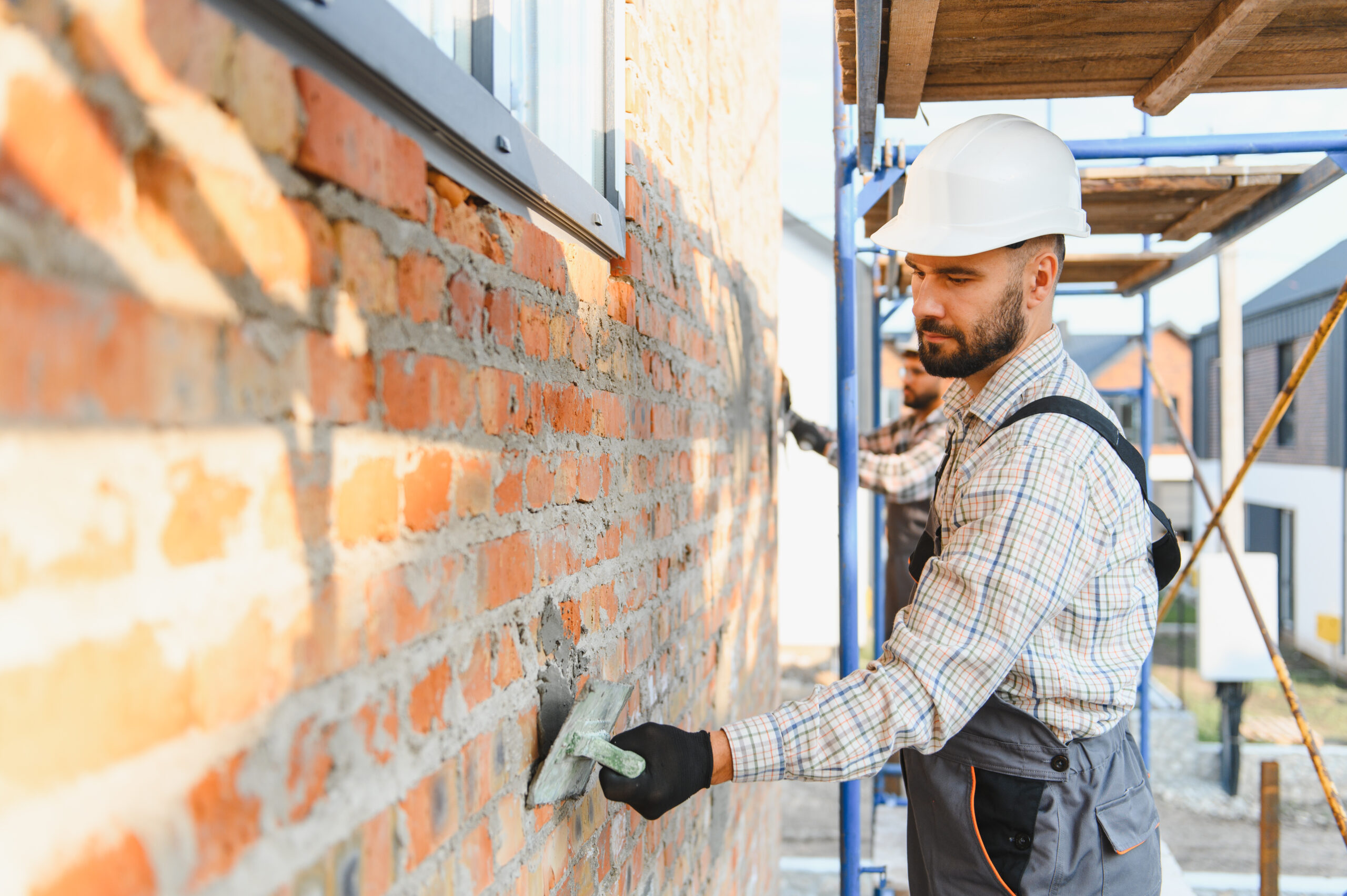
Though brick structures are pretty resilient, the mortar holding them together is not. Every twenty-five years or so, the mortar wears down and disappears; leaving behind tiny openings that result in leaks and mold. The best solution is to book a tuck pointing service. Technicians remove the old debris, followed by wetting the area and applying the new mortar. This restores the integrity of the masonry and helps it last longer. The following blog by MITTS MASONRY goes into the process and benefits of tuck pointing in more detail.
Understanding The Tuck Pointing Process
Have you noticed cracks running down the side of your windows? Or maybe you’ve spotted white powder on your brick chimney? These are both signs that you need mortar joint repair services. After inspecting the situation, the brick tuck pointing contractors use a masonry chisel to scrape out the old mortar. This is then followed by fresh mortar and a jointing tool to give the mortar shape. This section explores the brick mortar repair process in more detail.
Read along as we restore your chimneys and walls together.
- Step 1: Initial Inspection
Before getting into the restoration, the team starts by examining the chimney, retaining wall or fireplace. Once they have a better idea of the state of the structure, they devise a plan and begin the repairs.
- Step 2: Mortar Removal
Technicians use a masonry chisel or an angle grinder to scrape away the old mortar. The depth of the scrape is at least equal to the width of the joint. This helps with durability.
- Step 3: Debris Cleaning
If there’s dust and debris inside the openings, the new mortar won’t adhere properly. So, before the chimney tuck pointing starts, the technicians use compressed air or a brush to thoroughly remove any remaining debris in the gaps.
- Step 4: Misting The Joints
Porous materials like bricks have the tendency to draw out moisture from the new mortar, which ruins the curing process. So, to keep this from happening, the brick repair and tuck pointing team lightly mists the joint; safeguarding the new mortar.
- Step 5: Mortar Application
Once the base is ready, the chimney repair team uses a trowel or a grout bag to pack in the new mortar. This step is done in layers till the joint is completely filled.
| NoteIn case of a historic brick restoration, a type O mortar is applied |
- Step 6: Tooling
After the mortar has dried somewhat, they take a jointing tool to run over the new mortar. This creates a compact seal and evens it out, so that any future rain will simply slide off the surface.
Common Signs Your Mortar Joints Need Tuckpointing
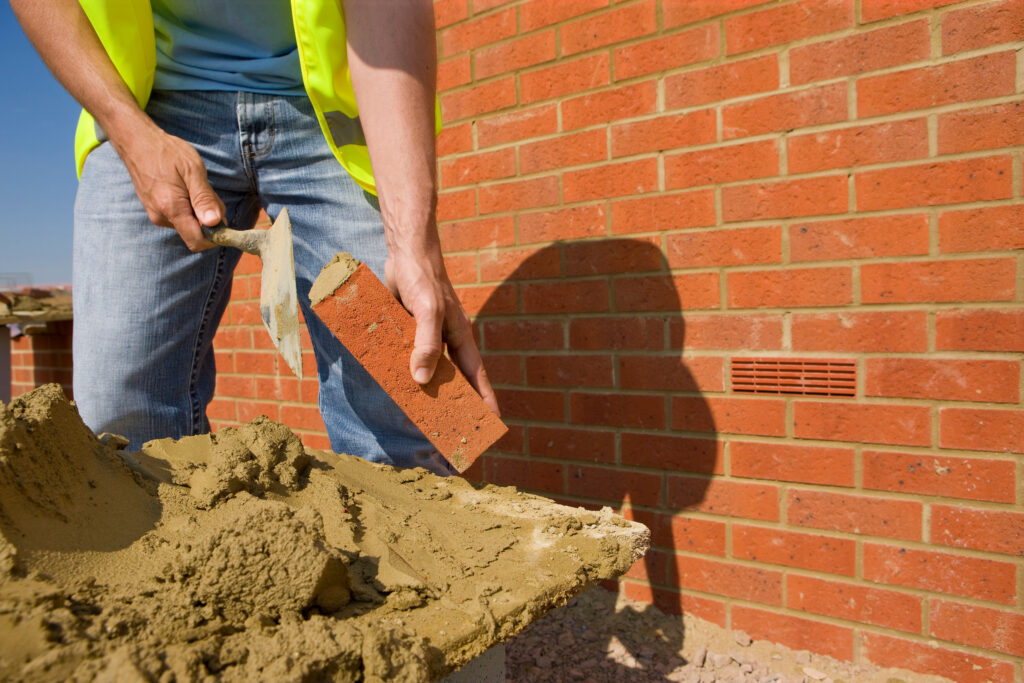
Not all mortar damage is easy to notice, but small issues can quickly become serious if left untreated. Cracks between bricks, missing mortar, loose bricks, water leaks, white powder deposits (efflorescence), and crumbling joints are all common signs that your masonry may need tuckpointing. Addressing these problems early helps prevent structural damage, improves weather resistance, and extends the life of your brickwork.
How Does Tuckpointing Prevent Future Masonry Damage?
Tuckpointing does more than repair visible mortar problems; it also helps protect brick structures from future damage. Damaged mortar joints can allow water to enter behind the brickwork, which may lead to cracks, moisture issues, and weakening of the overall structure. By replacing deteriorated mortar with fresh material, tuckpointing creates a stronger barrier against weather exposure and helps maintain the stability of brick walls, chimneys, and other masonry features. Regular inspections and timely repairs can prevent minor mortar issues from turning into expensive restoration projects.
Perks & Pros Of Tuck Pointing: Why Properties Need It
Still with us? Fantastic! Now that you understand how the best tuck pointing contractors perform masonry joint repair services; you might be wondering why it’s such a popular option. The service instantly improves the aesthetic charm of a worn down property. Aside from that, it’s much more affordable than replacing the entire structure. This section lists a few more benefits of a professional brick repointing service.
Cost Effectiveness
The main advantage of an exterior brick tuck pointing service is that it’s very easy on the pocket. While a tear down and reconstruction will cost thousands, this simple fix is usually completed within a few hundreds.
Restores Integrity
A leaning chimney and hollowed out brick foundations will eventually collapse; making your structure quite vulnerable. But, when you book tuck pointing services in Olathe, KS, the structure regains its former strength.
Raises Curb Appeal
Imagine walking past a building with cracked bricks and gapped retaining walls. Now picture another property with perfectly aligned and joined exteriors. A quality brick wall restoration helps properties look beautiful to passersby and buyers.
Increases Masonry Lifespan
Without the ‘glue’ those bricks won’t be able to hold themselves upright for too long. This leads to faster replacements. However, with an expert cracked mortar repair service, that structure can last about a century—significantly adding to its lifespan.
Conclusion
In conclusion, a professional tuck pointing service is one of the most affordable and efficient ways to restore your brick chimneys and foundations; bringing back the lost charm and integrity of your property. The process starts when the masonry contractors inspect and remove the old mortar; followed by misting the joints, applying and compacting the new mortar. We hope this blog was informative. If you’re interested in chimney repairs, please let us know.
FAQS
What is the cost of a brick replacement service?
Building a new masonry structure costs $40-120+ per square foot.
How long does a tuck pointing service take?
An average tuck pointing service takes experts about 3-7 days.
What is the best weather for a brick repointing service?
Mild and dry weather is ideal for a durable repointing service.
How often should tuckpointing be done?
Tuckpointing usually lasts 25 years or more, depending on weather conditions and masonry maintenance.
Can tuckpointing prevent brick damage?
Yes. Tuckpointing helps protect brick structures by sealing damaged mortar joints and preventing moisture penetration.