
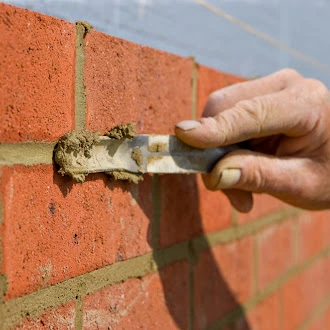
Brick homes and masonry structures can last for generations, but their strength depends on more than just the bricks themselves. The mortar joints between bricks protect the structure by preventing moisture intrusion, maintaining stability, and keeping the exterior looking its best.
Over time, harsh weather conditions, freeze-thaw cycles, moisture exposure, and natural aging can cause mortar joints to crack, crumble, or separate. When this happens, many homeowners begin searching for tuckpointing cost, brick mortar repair prices, and professional masonry repair services.
At MITTS MASONRY, we help homeowners understand the cost of tuckpointing, identify early signs of mortar failure, and restore damaged masonry before small problems become expensive structural repairs.
How Much Does Tuckpointing Cost in 2026?
The average cost of tuckpointing in 2026 typically ranges from $5 to $25 per square foot, depending on the condition of the mortar, accessibility, labor requirements, and the size of the project.
Most homeowners can expect to pay:
| Tuckpointing Project | Estimated Cost Range |
|---|---|
| Small mortar repairs | $250–$750 |
| Single wall tuckpointing | $1,000–$3,000 |
| Full house tuckpointing | $5,000–$15,000+ |
| Chimney tuckpointing | $500–$2,500 |
| Historic masonry restoration | Higher due to specialized materials and labor |
The final price depends on the extent of damaged mortar requiring replacement and whether additional masonry repairs are required.
What Is Tuckpointing and Why Is It Important?
Tuckpointing is a masonry repair process where damaged or deteriorated mortar joints are removed and replaced with fresh mortar. The goal is to restore the strength, appearance, and weather resistance of brickwork.
Many homeowners assume bricks are the first part of a wall to fail, but mortar is designed to deteriorate before the brick itself. Repairing damaged mortar early helps protect the bricks and prevents moisture from entering the structure.
Without proper tuckpointing, deteriorating mortar can lead to:
- Water infiltration
- Interior wall damage
- Mold and mildew growth
- Loose or shifting bricks
- Chimney deterioration
- Structural instability
- Expensive masonry replacement
Professional tuckpointing helps extend the lifespan of brick structures while improving curb appeal.
Factors That Affect Tuckpointing Cost
No two masonry projects are the same. Several factors influence the final price of tuckpointing services.
1. Size of the Masonry Area
The larger the damaged area, the more labor and materials are required. A few damaged mortar joints may only require minor repairs, while an entire brick façade may require extensive restoration.
2. Condition of the Mortar
Minor cracks are usually less expensive to repair than deeply deteriorated mortar joints that have allowed moisture damage behind the brick.
Severe damage may require:
- Removal of failing mortar
- Brick replacement
- Moisture repairs
- Additional structural reinforcement
3. Accessibility of the Work Area
Areas that are difficult to reach can increase labor costs.
Examples include:
- Multi-story buildings
- Chimneys
- High exterior walls
- Areas requiring scaffolding or special equipment
4. Type of Brick and Mortar Required
Older homes and historic buildings often require custom mortar matching to preserve the original appearance and prevent damage to existing brickwork.
Specialized mortar materials and color matching can increase project costs.
5. Water Damage Behind Brick
If moisture has already entered behind the masonry, additional repairs may be needed before tuckpointing can be completed.
Tuckpointing Cost Per Square Foot
The estimated tuckpointing price is usually calculated by the square foot.
Homeowners typically pay:
$5–$25 per square foot
The price varies based on:
- Mortar deterioration level
- Wall height
- Preparation work
- Labor costs
- Brick condition
- Required repairs
A small repair project may cost only a few hundred dollars, while extensive restoration on a large brick home can cost several thousand dollars.
Brick Mortar Repair Cost: When Minor Repairs Become Major Problems
The cost of repairing brick mortar depends heavily on how early the problem is discovered.
Many masonry issues begin with small warning signs that homeowners overlook.
Common signs you may need tuckpointing include:
- Crumbling or missing mortar joints
- Visible cracks between bricks
- White powdery staining on brick surfaces
- Loose or shifting bricks
- Water stains inside the home
- Damaged chimney mortar
- Gaps between brick joints
Ignoring these problems allows moisture to penetrate deeper into the masonry system, increasing the likelihood of expensive repairs.
Early mortar repair is usually much more affordable than rebuilding damaged brick walls or repairing interior water damage.
Chimney Tuckpointing Cost in 2026
Chimneys often require tuckpointing sooner than lower sections of a home because they experience constant exposure to weather conditions.
The estimated chimney tuckpointing cost is typically:
$500–$2,500
The price depends on:
- Chimney height
- Amount of mortar damage
- Roof accessibility
- Scaffolding requirements
- Extent of water damage
Because chimneys sit above the roofline, they are exposed to:
- Heavy rain
- Snow and ice
- Freeze-thaw cycles
- Wind-driven moisture
- Extreme temperature changes
Damaged chimney mortar can allow water to enter the roof system, attic, or interior ceilings. Repairing chimney mortar early helps prevent more serious structural issues.
Foundation Masonry Repair Costs
Foundation masonry repair is often more complex than standard wall tuckpointing because the foundation supports the entire structure.
Foundation-related masonry repairs may involve:
- Mortar replacement
- Crack repair
- Waterproofing improvements
- Drainage corrections
- Structural reinforcement
- Moisture protection
Foundation issues should be addressed quickly because ongoing moisture exposure can affect the stability of the building.
A professional masonry inspection can determine whether tuckpointing alone is enough or whether additional repairs are required.
Tuckpointing vs Repointing: What Is the Difference?
Many homeowners use the terms tuckpointing and repointing interchangeably, but they are slightly different.
Repointing involves removing damaged mortar and replacing it with new mortar.
Tuckpointing is a more specific technique that uses contrasting mortar lines to create a clean, uniform appearance while restoring damaged joints.
Both methods improve masonry durability and help protect brick structures from moisture damage.
Is Tuckpointing Worth the Investment?
Yes. For most homeowners, tuckpointing is one of the most cost-effective ways to protect brick and masonry structures.
Regular mortar maintenance can help:
- Prevent water damage
- Extend brick lifespan
- Improve exterior appearance
- Maintain property value
- Avoid expensive reconstruction
In areas like Milwaukee, where seasonal temperature changes and freeze-thaw cycles can accelerate mortar deterioration, timely masonry repairs are especially important.
Investing in professional tuckpointing today can help prevent much larger repair costs in the future.
How Long Does Tuckpointing Last?
Professionally completed tuckpointing can last 20 to 50 years or longer depending on:
- Mortar quality
- Weather exposure
- Building conditions
- Maintenance practices
- Quality of installation
Regular inspections help identify small problems before they become major masonry failures.
Can Tuckpointing Prevent Water Leaks?
Yes, properly performed tuckpointing can help reduce water intrusion by restoring damaged mortar joints and improving the weather resistance of brickwork.
However, if leaks are caused by other issues such as damaged flashing, roofing problems, or severe structural damage, additional repairs may be necessary.
Can Tuckpointing Be Done During Winter?
Winter tuckpointing depends on temperature and weather conditions.
Mortar requires proper curing conditions to achieve strength and durability. Extremely cold temperatures can affect mortar performance, so masonry contractors may recommend scheduling certain repairs during warmer months.
Experienced masonry professionals can evaluate weather conditions and determine the best approach.
Can You DIY Tuckpointing?
Small masonry repairs may appear simple, but professional tuckpointing requires proper tools, mortar selection, and application techniques.
Incorrect repairs can:
- Trap moisture
- Damage older brick
- Create uneven appearances
- Require more expensive repairs later
Professional masonry contractors understand how to match mortar strength, color, and texture to protect the existing brickwork.
Conclusion
Damaged mortar joints may seem like a small issue, but they can lead to serious moisture and structural problems if ignored.
At MITTS MASONRY, we provide professional masonry solutions designed to restore brickwork, improve durability, and protect homes from future damage.
Whether you need minor mortar repairs, chimney tuckpointing, or complete masonry restoration, our team can evaluate your property and recommend the right solution.
Contact MITTS MASONRY today for a professional tuckpointing assessment.
Frequently Asked Questions
- How much does tuckpointing cost for a brick house?
The average cost ranges from $1,000 to $15,000 or more, depending on the size of the home, damage level, accessibility, and required repairs. - How much does tuckpointing cost per square foot?
Most tuckpointing projects cost between $5 and $25 per square foot, depending on labor, materials, and project complexity. - Is tuckpointing cheaper than replacing brick?
Yes. Repairing mortar joints is usually significantly less expensive than replacing damaged brick walls or rebuilding masonry sections. - How do I know if my house needs tuckpointing?
Common signs include cracked mortar, missing joints, water stains, loose bricks, and visible deterioration around brick surfaces. - How often should brick homes be tuckpointed?
Most brick homes require tuckpointing every few decades, but inspection frequency depends on climate, mortar quality, and building conditions. - Does homeowners insurance cover tuckpointing?
Insurance coverage varies. Most policies do not cover normal aging and maintenance issues, but damage caused by covered events may qualify.